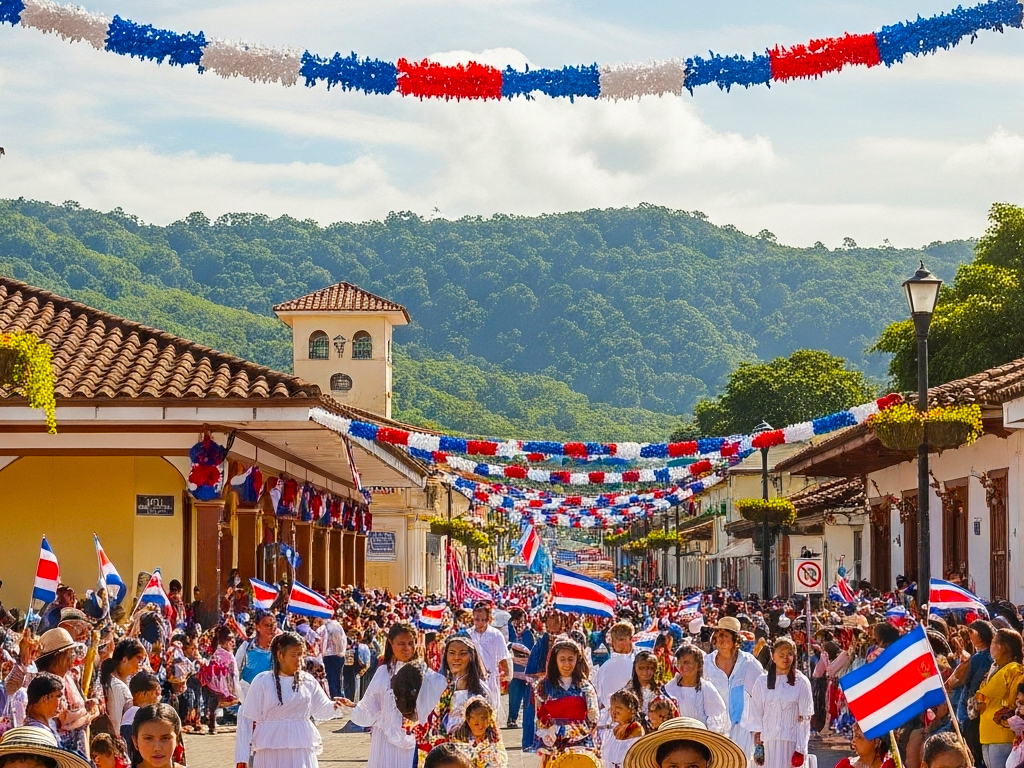
Moving to Costa Rica? ¡Pura Vida! You’re about to embark on an adventure filled with lush rainforests, stunning beaches and a laid-back lifestyle. But to truly embrace the Tico way of life, you’ll need to sprinkle some Spanish into your daily routine. Don’t worry if your Español is a bit rusty—learning a few key phrases can go a long way toward making friends, navigating markets and feeling at home. Here’s a light-hearted, expat-friendly guide to the 12 top Spanish phrases you’ll want to master for your Costa Rican journey. Let’s dive in!
¡Pura Vida! – Pure Life!
Let’s start with the heart of Costa Rican culture. “¡Pura Vida!” is more than a phrase—it’s a lifestyle. Used to say hello, goodbye, or express gratitude, it embodies positivity and contentment.
- When to use it: Greet your neighbor, thank a barista, or respond to “How’s it going?”
- Example: “¡Gracias por el café!” “¡Pura Vida!”
Master this and you’re halfway to being an honorary Tico.
¿Cómo está? – How are you?
Politeness goes far in Costa Rica and “¿Cómo está?” is a friendly way to check in with someone. It’s formal enough for strangers but warm enough for casual chats.
- When to use it: At the grocery store or meeting a new coworker.
- Example: “¿Cómo está?” “¡Bien, gracias!”
For closer pals, try the informal “¿Cómo estás?”
¿Dónde está…? – Where is…?
Navigating a new country can be tricky, so “¿Dónde está…?” is your go-to for finding places. Whether you’re hunting for the beach or a pharmacy, this phrase is a lifesaver.
- When to use it: Asking for directions to the mercado or a bus stop.
- Example: “¿Dónde está la playa?” (Where’s the beach?)
Pro tip: Pair it with a smile—Costa Ricans love to help!
Quiero… – I want…
From ordering food to shopping, “Quiero…” helps you express your desires politely. It’s simple but versatile.
- When to use it: At restaurants or markets.
- Example: “Quiero un gallo pinto, por favor.” (I want gallo pinto, please.)
Gallo pinto, Costa Rica’s iconic rice-and-beans dish, is a must-try!
Por favor – Please
Manners matter and “Por favor” adds a touch of courtesy to any request. Sprinkle it generously to win hearts.
- When to use it: Ordering food, asking for help, or buying bus tickets.
- Example: “Un café, por favor.”
Follow it with “Gracias” (Thank you) for extra charm.
¿Cuánto cuesta? – How much does it cost?
Bargaining at local markets or checking prices? “¿Cuánto cuesta?” keeps your budget in check.
- When to use it: Buying souvenirs or fresh mangoes at the feria (farmers’ market).
- Example: “¿Cuánto cuesta esta artesanía?” (How much is this craft?)
Don’t be shy—haggling is part of the fun!
No entiendo – I don’t understand
Let’s be real: Spanish can feel overwhelming at first. “No entiendo” is your polite way to hit pause and ask for clarification.
- When to use it: When someone’s speaking too fast or using unfamiliar slang.
- Example: “No entiendo, ¿puede repetir, por favor?” (I don’t understand, can you repeat, please?)
Locals will appreciate your effort and happily slow down.
¿Puede ayudarme? – Can you help me?
From deciphering a menu to fixing a flat tire, “¿Puede ayudarme?” is a polite way to ask for assistance.
- When to use it: Anytime you’re stuck or need a hand.
- Example: “¿Puede ayudarme con esta dirección?” (Can you help me with this address?)
Costa Ricans are known for their kindness, so don’t hesitate to ask.
Estoy perdido/a – I’m lost
Got turned around in San José or a jungle trail? “Estoy perdido” (for men) or “Estoy perdida” (for women) will get you back on track.
- When to use it: When your GPS fails or you’re wandering in a new town.
- Example: “Estoy perdida, ¿dónde está el centro?” (I’m lost, where’s downtown?)
Pair it with a laugh for instant sympathy.
¡Qué rico! – How delicious!
Costa Rican cuisine is a treat, from fresh ceviche to sweet tres leches cake. “¡Qué rico!” is your ticket to praising the chef.
- When to use it: At a soda (small local eatery) or a friend’s dinner table.
- Example: “¡Qué rico este casado!” (This casado is delicious!)
A casado is a classic plate of rice, beans, protein and plantains—yum!
Bonus: Tuanis – Cool/Awesome
Another gem of Tico slang, “Tuanis” means “cool” or “great.” It’s a fun way to show enthusiasm.
- When to use it: Reacting to good news or a fun plan.
- Example: “¡Vamos a surfear!” “¡Tuanis!” (Let’s go surfing! Cool!)
It’s like saying “Pura Vida” but with extra swagger.
Tips for Learning Spanish as an Expat
Mastering these phrases is just the start. To boost your Spanish game in Costa Rica:
- Practice daily: Chat with vendors, taxi drivers, or neighbors.
- Take a class: Local language schools or online apps like Duolingo can help.
- Embrace mistakes: Ticos are patient and love when expats try.
- Watch telenovelas: They’re dramatic, fun and great for picking up slang.
Why These Phrases Matter
Learning these 12 phrases isn’t just about communication—it’s about connection. Costa Ricans value warmth and respect and speaking even a little Spanish shows you’re invested in their culture. Plus, it’ll make your expat life smoother, from renting a house to joining a local surf club.
Ready to Live the Pura Vida Life?
With these phrases in your pocket, you’re ready to navigate Costa Rica like a pro. So pack your bags, practice your “¡Qué rico!” for that first bite of gallo pinto and get ready for an adventure that’s tuanis to the core.